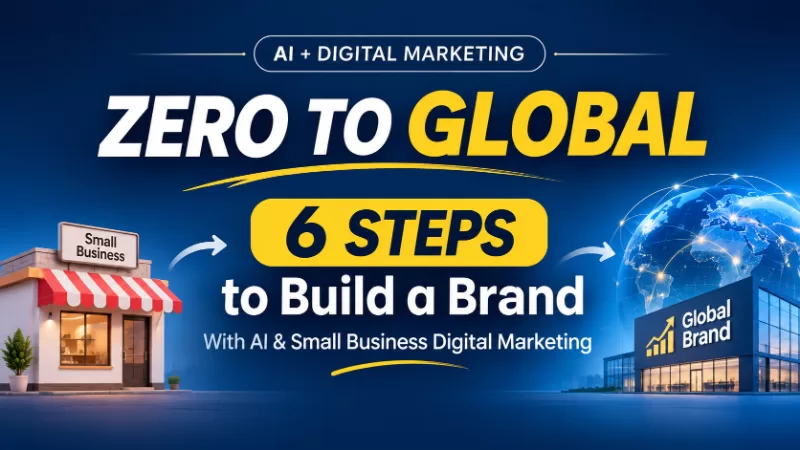
Picture a two-person shop that sells handmade leather bags. No ad budget, no marketing team, just a modest Instagram page and a lot of pride in the work. Ten years ago, a shop like that would probably have stayed local. Today, with the right approach to small business digital marketing and a few smart AI tools, it can get orders from people in cities the owners have never visited.
That doesn't happen by accident, and it doesn't happen just because you signed up for an AI app. Tools help, but a brand is really built on trust. So here are the six steps I'd follow if I were starting from zero: what to figure out first, which tools are worth your time, how to handle SEO, and how to grow beyond your home market without losing your voice.
I know this first-hand. I run a small online store called Odvut Shop, and AI has been part of my journey right from the start.
Why AI Is Such a Big Deal for Small Businesses
Big companies used to win for a simple reason: they had people. A designer, a writer, an analyst, someone to run social media. All of that costs money, and most small businesses just don't have it.
AI changes the math. One founder can now draft a blog post in the morning, test a few logo ideas at lunch, sum up a pile of customer reviews in the afternoon, and schedule next week's posts before dinner. It's not perfect, and we'll get to the limits, but it gives a tiny team the speed of a much bigger one.
Digital marketing is the other half. Search engines, social media and email let you reach people who are already interested in what you sell, and you decide how much to spend. Put the two together and you get speed, lower costs, and a shop window that stays open in every time zone. The catch is that everyone has access to the same tools now. What sets you apart is how clearly you know your brand and how much of yourself you put into it.

Step 1: Know Who You're Talking To (Before You Open Any Tool)
I know it's tempting to jump straight into the tools. Resist it for a day or two. AI is only as useful as the direction you give it, and if you're vague, you'll get vague answers back.
Sit down with a notebook and answer these questions in plain words:
• Who exactly is your ideal customer? Think age, location, budget and the problem they're trying to solve.
• What do you do better, cheaper, faster or differently than the other options?
• How should your brand sound? Warm and friendly? Sharp and professional?
• What do you want people to feel after they've found you?
Those answers become your brand brief, a one-page document you can paste into any AI tool before asking for help. It's the simplest piece of AI brand strategy I know, and it makes the output sound far more like you and far less like everyone else.
Step 2: Pick a Small AI Tool Stack
You don't need twenty subscriptions. When people ask me about AI branding tools, I tell them to think in jobs, not brands. You need something for:
• Writing and brainstorming: a general assistant like ChatGPT, Claude or Gemini is great for ideas, outlines, product descriptions and first drafts of emails.
• Design: Canva and similar platforms have AI features that help with social graphics, simple logos and brand kits.
• Research: AI can skim competitor websites and customer reviews and give you a quick summary, which saves hours.
• Tracking: a free analytics tool and a post scheduler tell you what's actually working.
Add a new tool only when the same task keeps annoying you. Three tools you use well will beat ten you barely open. And if you're exploring AI branding for businesses like yours, always test a tool on one real task first. Pay for it later, if it earns its place.
Step 3: Let AI Draft, Then Make It Yours
Content is where most small brands win or lose. Blog posts, short videos, social posts, emails, product pages: all of it builds trust slowly, one useful piece at a time.
AI is genuinely good at the boring parts. Ask it for twenty content ideas based on your customers' biggest questions. Ask it to turn one idea into an outline. Ask it to repurpose one blog post into five social posts and a short email.
Let me give you a local example. Imagine a Facebook or Instagram page selling handmade jamdani sarees or trendy block-print kurtas. The owner could use AI to brainstorm caption ideas in simple Bangla and English, plan a month of posts around Eid, Pohela Boishakh or the wedding season, and turn one product story into a short reel script. The photos, the fabric details and the real customer stories still come from the owner. The AI just saves the time they'd otherwise spend staring at a blank screen.
But treat everything it writes as a rough draft, never a finished piece. Read it out loud. If a sentence sounds like something you'd never say to a customer, rewrite it. Fix any fact you're not sure about. Then add the stuff AI can't: a real story from your workshop, a customer's feedback, your own opinion, a photo you took yourself.
Here's how that looked in my own shop. Odvut Shop is an online store where I sell everyday essentials and books. When I started, I made my product images with AI, and honestly, they didn't look professional at all. Then I took the Diploma in Digital Marketing & Analytics at Creative IT, which taught me how to use AI properly in my business and in my digital marketing. The big difference is that I can now actually put it into practice.
Books brought their own challenges. AI helps me find details about a book and learn about its author, so I can describe it properly. It also helps me compare caption styles and work out which ones might bring more sales. And when I wanted my Facebook and Instagram pages to feel like a real brand, I used AI to study what quality content looks like and how professional pages present themselves.
It's still my shop and my decisions, but AI keeps helping me run it, and it saves me a lot of time.
That last step is what makes people remember you. Anyone can generate generic content in seconds. Your experience is the part nobody else has.
Step 4: Small Business SEO Without the Jargon
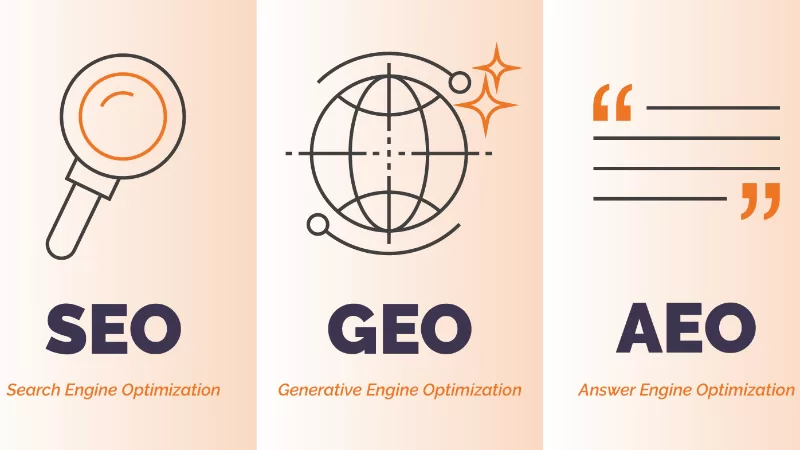
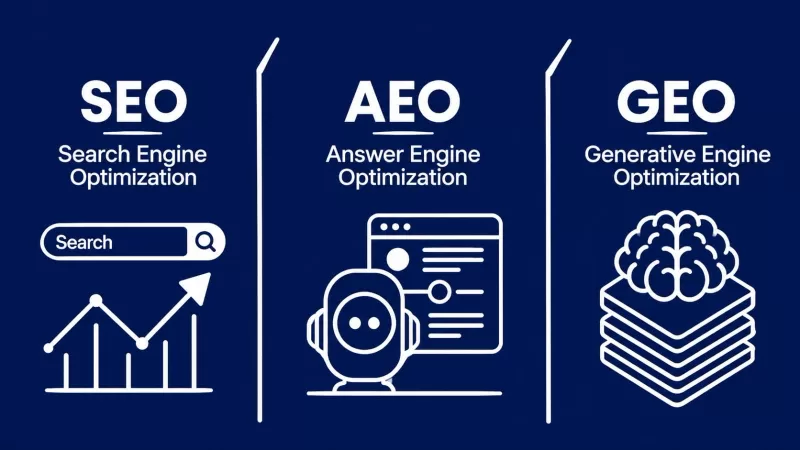
SEO sounds technical, but the idea is simple: when someone searches for what you offer, you want your page to show up. The best part is that those visitors arrive without you paying for each click. For most owners, small business SEO is the most valuable long-term habit in the whole toolkit.
Go after long-tail keywords first
If you're new, don't try to rank for something huge and broad. You'll be up against giant websites with years of authority. Instead, aim for longer, more specific searches, like "handmade leather bags for office use" rather than just "bags." Fewer people search for them, but the ones who do know what they want. That's the heart of good SEO for startups: win the small searches first, then build up.
Use AI SEO tools, but don't trust them blindly
AI SEO tools are handy for grouping keywords, spotting topics your competitors cover and you don't, and drafting meta titles. Use them to save time on the research. Just remember they only make suggestions. You're the one who knows your customers, so you decide what fits.
A free trick I like: type your topic into Google and look at the "People also ask" box. Those are real questions from real people, and they make excellent headings.
Get the on-page basics right
• Put your main keyword in the title, the H1, the first paragraph and the URL.
• Write a meta description of about 150 to 160 characters (a common industry guideline, not a Google rule) that makes people want to click. Google may use it as the snippet under your link, but it can also pull text from the page itself.
• Use clear subheadings (H2 and H3) and short paragraphs.
• Link to your own related pages, and to a trusted outside source or two.
• Add a short, honest description (alt text) to every image. Google advises using descriptive alt text so search engines understand how the image relates to your content.
• Make sure the page loads fast on a phone.
Think about AI search, too
More people now get answers from AI tools and AI summaries at the top of search results, not just from the usual list of links. That's why AI search optimization is worth a bit of attention. You don't need a whole new strategy. Answer questions directly near the top of the page, explain after that, use clear headings, keep your facts accurate, and make sure your business name and details match everywhere online. Google's own guidance says that specific optimization isn't required for its AI features, and that the usual SEO fundamentals still apply. Its guide to generative AI search adds that content people find unique and useful will likely matter most in the long run.
Step 5: Put Digital Brand Automation to Work
Once the basics are running, automation can hand you hours back every week. Digital brand automation just means letting software handle the repetitive jobs so you can focus on the things only you can do.
Start small. A welcome email series for new subscribers is a great first step. A scheduled batch of social posts is another. An AI chatbot on your website can answer the same five questions customers always ask and pass anything tricky to you. Later you can try sending different emails to first-time visitors, first-time buyers and loyal customers.
One warning, though. Automate the repetitive tasks, not the relationships. If a customer wants to talk to a real person, make that easy.
Step 6: Building a Global Brand Strategy, One Country at a Time
"Going global" sounds huge, but nobody does it all at once. A realistic global brand strategy looks more like a staircase than a leap.
1. Win at home first. Prove people want what you sell, and collect reviews and testimonials. They'll matter more than you think when strangers abroad are deciding whether to trust you.
2. Pick one or two countries. Choose places where demand is clear and where shipping, payment and language are manageable.
3. Localize, don't just translate. AI can give you a decent first draft in another language, but a native speaker should read it. Adjust the examples, images and pricing so they feel natural to local customers.
4. Make buying easy. Offer familiar payment methods, clear shipping and return details, and support at hours that make sense for them.
5. Keep the brand consistent. Your logo, colors and tone should feel the same everywhere. That's what makes a customer in one country recognize you from a friend's recommendation in another.
For sellers in Bangladesh, this is also the stage where you need to do some homework. Selling a hand-embroidered bag or a piece of jute décor to someone abroad means figuring out international shipping, packaging, customs rules and how you'll receive payment from overseas. The options and rules change over time, so check the current requirements with official sources or your bank before you promise anything to a customer.
The 7 Types of Digital Marketing (and Where I'd Start)
People love asking which type is "the best." The honest answer is that it depends on what you sell and who you sell it to. Here's the full list:
1. SEO: earn free traffic from search engines.
2. Content marketing: blogs, guides and videos that teach and attract.
3. Social media marketing: build awareness where your customers already spend time.
4. Email marketing: talk directly to people who've said they want to hear from you.
5. Paid ads (PPC): pay for quick visibility on search engines and social platforms.
6. Affiliate and influencer marketing: borrow trust from people your audience already follows.
7. Messaging and mobile marketing: reach customers through chat apps, SMS and push messages.
If I had to pick a starting mix for a small business, it would be a simple website with SEO, one or two social platforms, and an email list. Add paid ads later, once you know which message actually works.
If you run a small shop in Bangladesh, you're probably on Facebook or Instagram already, and that's a perfectly good starting point. Just don't stop there. A simple website, a Google Business Profile and an email list mean your customers can still find you even if a social media algorithm changes tomorrow.
Mistakes I'd Avoid
• Publishing raw AI text. Always edit it, check the facts, and add your own voice.
• Using too many tools too soon. Learn two or three properly first.
• Skipping the brand brief. Without it, your posts will feel like they came from five different people.
• Trying to be on every platform. Pick the two or three where your customers really are.
• Never checking the numbers. If you don't track what's working, you can't improve it.
• Ignoring the rules. Be honest in your marketing, protect customer data, and follow the laws of every market you sell in.
Your First 30 Days
If all of this feels like a lot, here's a simple plan to get moving.
Week 1: Write your brand brief. Settle your name, tone, colors and logo direction. Get the basics of your website live.
Week 2: Choose one main keyword and a few related ones. Look at what the top results already cover and note what's missing.
Week 3: Publish your first helpful blog post and a few social posts. Start collecting email addresses.
Week 4: Set up a welcome email, schedule next month's posts, and look at your analytics to see what to improve.
Then repeat. Small, steady progress adds up faster than most people expect.
Frequently Asked Questions
How do I implement AI in digital marketing?
Pick one task to start with, like drafting blog outlines or writing email subject lines. Give the AI your brand brief, review what it produces, and see whether it saves you time without hurting quality. Once that works, add the next task, such as a chatbot or audience segmentation.
Can I use AI for digital marketing?
Yes, and plenty of businesses already do. It's used for content ideas, ad optimization, customer support, analytics and personalization. Just keep a person in charge of the final message and check every fact.
Which AI is good for digital marketing?
There isn't one winner. ChatGPT, Claude and Gemini are all solid for writing and research, and design tools with built-in AI help with visuals. Try a couple on a real task and keep the one that fits how you work.
Which is the best type of digital marketing for a small business?
SEO and email are often the best long-term starting points, because they build things you own. Social media is great for awareness, and paid ads can speed things up once you know your offer works.
Is it legal to sell products or content made with AI?
Often yes, but the rules vary by country and by tool. Copyright rules for AI-generated work are still developing, and every AI tool has its own terms of use. For example, the U.S. Copyright Office said in a January 2025 report that copyright protects human authorship, so material generated purely from prompts isn't protected on its own [5]. Read the terms of the tool you use, never copy other people's work, and talk to a qualified legal professional about your own situation.
How long does it take to build a brand online?
It depends, but plan on several months of steady work before you see strong results, especially from SEO. Consistency matters more than speed.
Final Thoughts
Building a global brand from nothing isn't just for big companies anymore. A clear brand brief, a few well-chosen AI tools, honest small business SEO, useful content and a bit of automation can take a small team a long way.
If I had to boil it down, it would be this: AI gives you speed, you give it a human voice, and patience does the rest. Start small, stay consistent, and expand one market at a time.
So here's your homework for this week. Write your brand brief, choose your main keyword, and publish one genuinely helpful post. That's how every brand you admire started.
Want to go deeper into these skills? Take a look at Creative IT's Diploma in Digital Marketing & Analytics and learn them step by step. (Course Link : https://www.creativeitinstitute.com/courses/diploma-in-digital-marketing-analytics )

Written by
Hossain Rifat
SEO Specialist & Digital Marketer
SEO Specialist and Digital Marketer based in Dhaka, Bangladesh, helping businesses build a stronger online presence, rank higher on Google, and grow their sales. I believe digital marketing is not just about traffic; it is about attracting the right audience, building trust, and turning visitors into customers. I focus on improving search visibility and driving sustainable growth through SEO. I am also the Founder of Odvutshop.com, where I am building my entrepreneurial journey and gaining hands-on experience in business development and the digital space. I am always eager to learn new strategies, follow digital trends, and collaborate with businesses that are ready to grow online. Let's connect and grow together! 📍 Dhaka, Bangladesh Interests: SEO | Digital Marketing | Organic Growth | Business Development | Entrepreneurship
Comments (0)
No comments yet — be the first to share your thoughts.