Quick Answer: What Is AI Search SEO?
AI Search SEO refers to the process of optimizing digital content so that AI-powered search platforms can understand, recognize, and potentially use it when generating answers. Unlike traditional search, which mainly presents website links, AI search focuses on understanding questions and delivering summarized information. This shift is changing how businesses create content, build online authority, and reach potential customers.
Introduction
The way people search for information online is changing rapidly. In the past, users mainly depended on traditional search engines to find websites, compare information, and discover answers. Today, artificial intelligence is introducing a different experience. People can ask detailed questions and receive summarized responses without visiting several websites. This development is creating new opportunities and challenges for digital marketers, content creators, and business owners.
AI Search SEO is becoming an important discussion in the digital marketing industry because online visibility is no longer limited to traditional search rankings. Businesses now need to think about how their information is understood and presented by AI-powered platforms. This article explores the changing search landscape, its impact on SEO, and the strategies businesses can consider to prepare for the future.

How Is AI Changing the Traditional Search Experience?
Traditional search engines and AI-powered search platforms provide information in different ways. When someone searches through a traditional search engine, they usually receive a list of relevant websites based on their query. Users then need to open different pages, read information, and decide which source provides the most useful answer.
AI-powered search introduces a more conversational experience. Instead of simply displaying links, these platforms attempt to understand the meaning behind a question and generate a response using information from different sources. Users can also ask follow-up questions to explore a topic further.
This difference is changing user expectations. People increasingly want information that is direct, relevant, and easy to understand. However, traditional search engines still play an important role in discovering websites and accessing original information. Both search experiences can exist together, but content creators need to understand how each platform helps users find information.

How Does AI Search SEO Impact the Future of SEO?
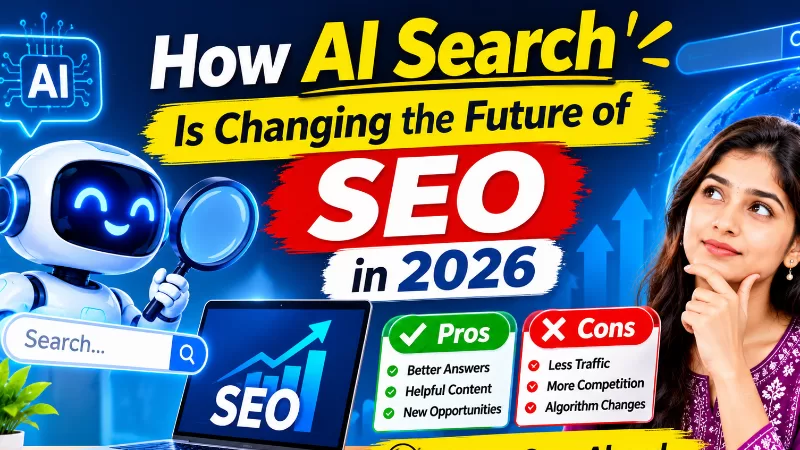
The growing use of artificial intelligence is changing several aspects of search engine optimization. One important change involves organic website traffic. When AI platforms provide answers directly on the search interface, some users may not need to visit individual websites. This can create challenges for websites that depend heavily on informational search traffic.
Another important factor is brand visibility. Even when users do not immediately click on a website, appearing as a referenced or trusted source in an AI-generated response may help people recognize a brand. This makes credibility, accurate information, and consistent brand communication increasingly important.
Search intent is also becoming more significant. Search intent refers to the actual reason behind a user's search query. For example, someone searching for a birthday cake may want to compare prices, explore designs, or find a bakery that offers fast delivery. Content that clearly addresses these needs can provide greater value than content written only to repeat popular keywords.

What Are AEO and GEO, and How Are They Different From SEO?
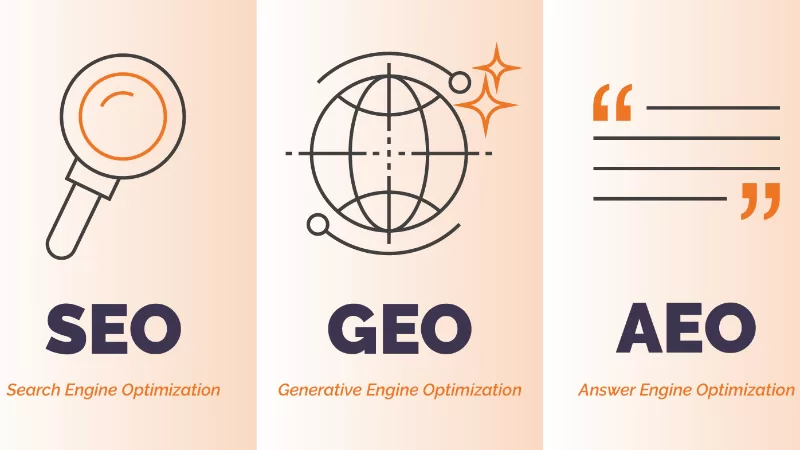
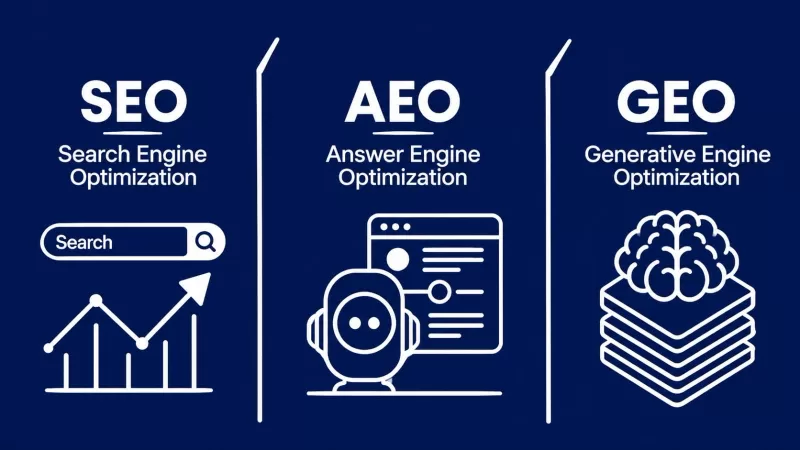
As AI-powered search develops, two important terms are receiving more attention: Answer Engine Optimization and Generative Engine Optimization. Although they are connected to traditional SEO, they focus on different aspects of online visibility.
Answer Engine Optimization, commonly known as AEO, focuses on making information easy for answer-based platforms to understand and retrieve. Content written with clear explanations, relevant headings, and direct responses to common questions can support this approach.
Generative Engine Optimization, or GEO, focuses on improving the chances of content and brand information being recognized and used by generative AI systems. It emphasizes useful information, topical relevance, reliable sources, and meaningful context.
Traditional SEO remains important because it helps search engines discover, understand, and rank web pages. AEO and GEO introduce additional considerations for how information may appear in AI-generated answers. Rather than treating these approaches as replacements for SEO, businesses should consider them complementary parts of a broader digital visibility strategy.

A Practical Experiment: What Happens When We Compare Google and AI Search?
To understand the difference between traditional and AI-powered search, a simple experiment can provide useful insights. Consider the question, "Which digital marketing skills are important for beginners in Bangladesh?" The same question can be entered into Google Search and an AI-powered search platform.
In Google, the results may include educational websites, blog articles, training institutes, and other relevant pages. Users can visit these websites individually to explore course details, compare learning opportunities, and evaluate different sources.
An AI search platform may provide a summarized response covering important skills such as SEO, social media marketing, content creation, keyword research, and analytics. Depending on the platform, it may also provide links or references to supporting sources.
The interesting part of this experiment is how differently the information is presented. Traditional search encourages users to explore multiple websites, while AI search may reduce the time needed to understand a topic. However, actual results should be checked and documented through screenshots before drawing conclusions. This experiment can help content creators understand why clear, accurate, and informative content matters in the changing search environment.

How Should Businesses Prepare Their Content for AI Search?
Businesses need to focus on creating content that genuinely helps their audience. Instead of writing articles only to target search terms, content creators should first understand what information people are looking for. A well-researched article that answers real questions can provide more value than a page filled with repeated keywords.
Content structure is another important consideration. Clear headings, descriptive paragraphs, and relevant explanations help readers understand information more easily. When a website covers a particular subject consistently and provides useful resources, it can also develop stronger topical relevance.
First-hand experience can make content more meaningful. For example, a local bakery in Bangladesh can publish detailed information about customized cakes, available flavors, product sizes, pricing, and delivery services. When customers search for birthday cakes in Dhaka, this information can help them understand the business and make an informed decision.
Businesses should also maintain accurate and updated information across their websites. Outdated prices, incorrect contact details, and unclear product descriptions can create confusion. Regular content updates, authentic customer feedback, and transparent business information can contribute to a better online experience.
Finally, website owners should continue investing in traditional SEO practices. Technical performance, mobile-friendly design, relevant internal links, and quality backlinks remain valuable considerations. AI search optimization should complement these efforts rather than replace the basic principles of creating a useful website.

What Are the Challenges and Risks of AI-Powered Search?
Although AI-powered search offers new opportunities, it also creates several challenges. One major concern is the possibility of inaccurate information. AI systems may sometimes generate misleading answers or misunderstand the context of a question. This makes reliable sources and proper fact-checking essential.
Copyright and content attribution are other important concerns. Websites invest time and resources in researching and publishing original information. If AI platforms use that information without providing clear attribution or meaningful website visits, content publishers may face difficulties in receiving recognition for their work.
Another challenge is the uncertainty surrounding organic traffic. As more users receive summarized answers directly through search interfaces, some websites may experience changes in visitor behavior. Businesses therefore need to look beyond website traffic and consider brand awareness, customer engagement, and meaningful conversions when evaluating their digital performance.

Frequently Asked Questions
What Is AI Search SEO?
AI Search SEO is the practice of improving online content so AI-powered search platforms can understand and potentially use relevant information when generating answers. It focuses on content quality, relevance, accuracy, and online authority.
Will AI Search Replace Traditional SEO?
AI search is changing how people discover information, but traditional SEO remains important. Businesses still need search-friendly websites, useful content, and a strong technical foundation to maintain their online presence.
How Can Businesses Optimize Content for AI Search?
Businesses can focus on answering customer questions, publishing original information, maintaining accurate website details, organizing content with clear headings, and building credibility through reliable information.
Conclusion: What Does the Future Hold for SEO?
The future of search is moving beyond traditional website rankings. Artificial intelligence is changing how people discover information, evaluate brands, and interact with online content. However, this does not mean that traditional SEO will lose its importance. Instead, businesses need to combine established SEO practices with a stronger focus on content quality, user intent, and digital authority.
AI Search SEO represents an important development in the digital marketing landscape. Businesses that understand changing user behavior and consistently provide valuable information will be better prepared for new search experiences.
The real question for digital marketers is no longer just how to rank higher on Google, but how to make their content genuinely useful wherever people search for information.
Written by
Tonnima
Comments (0)
No comments yet — be the first to share your thoughts.